


 Dec 24, 2025
 3 min read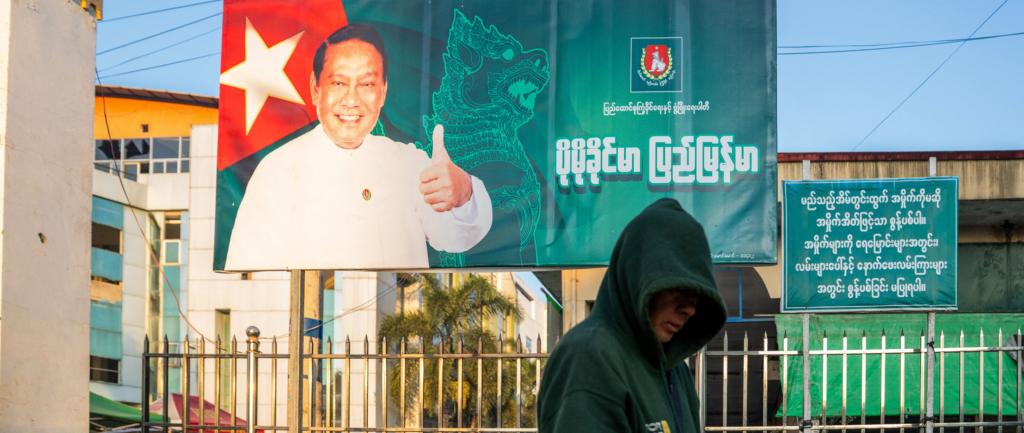
“Preparations for the first round of elections imposed by the military junta this weekend in Myanmar have given rise to illegal attacks that could amount to war crimes, as well as a sharp increase in arbitrary detentions and a greater crackdown on freedom of expression,” he said […]
"Preparations for the first round of elections imposed by the military junta this weekend in Myanmar led to illegal attacks that could amount to war crimes, as well as a sharp increase in arbitrary arrests and further repression against freedom of expression," Amnesty International said today.
The announcement by the military in July of the Law Protecting Multiparty Democratic General Elections violates the declaration or incitement of violence against elections or against those who work in them.Under the law, punishment ranges from three years in prison to the maximum prison term or even the death penalty.
"These elections organized by the military junta stand in stark contrast to the democratic national elections held in Myanmar in 2015 and 2020. While 2015 was a time of hope, the promise of peace and respect for human rights, the current era is an era of hopelessness and war crimes, arrests and surveillance characterize my daily life at Amerty Freeman," said Joanty International Researcher.
"In Myanmar, many people oppose these elections because they fear they will be involved in the same people who killed civilians in Myanmar for five years without permission and justice that they should face."
Electoral law is a weapon of military rulers
The military junta has claimed that its election law is designed to protect workers, materials and the election process itself. However, in the weeks leading up to the first round of voting on December 28, the junta used it to ramp up its repression tactics, focusing on any form of criticism, including reactions, messages and social media posts.
In the months since the law was promulgated, at least 229 people have been prosecuted for "attempting to sabotage electoral processes," according to junta-controlled media.Among those detained are artists and those who posted anti-election stickers.
In September, a man from Myanmar's Shan State was sentenced to seven years' rigorous imprisonment for criticizing the election.In early December, another man was arrested near Yangon for Facebook posts condemning the election, and another for vandalizing election posters.There were also reports that internally displaced persons were forced to vote by camp residents or risk losing aid.
According to the UN Human Rights Office, out of 330 municipalities in the country, 56 will not hold elections, which are under military rule.The winner of the 2015 and 2020 elections, the National League for Democracy, was dissolved, and its leaders Aung San Suu Kyu, Win Myint and others remain in prison.
In 2025, airstrikes in Myanmar are on track to reach record levels compared to any year since the 2021 coup. In contested areas, where the military is trying to control election locations, attacks have increased since the day the elections were announced.
In one of these attacks, Amnesty International documented a paragliding bombing of a festival in the central region of the country, where people had also gathered to hold public protests against the election.Motorized gliders launched grenades into the crowd, killing civilians, including minors.On December 10, the army bombed a hospital in Arakan.by the army, an ethnic resistance organization, in Mrauk-U, Rakhine State, following a pattern of post-coup attacks on hospitals, schools and other civilian infrastructure across the country.
Amnesty International called on the international community to focus on human rights violations related to this election process and to prioritize accountability in Myanmar.The international community should focus on suspending jet fuel transfers to Myanmar and bringing the perpetrators to justice.The court issued arrest warrants for other Myanmar military junta officials under investigation.
After seizing power nearly five years ago, Myanmar's military junta, now known as the State Security and Peace Commission, is now trying to consolidate its power at the ballot box.The first round of elections will take place on December 28, followed by additional rounds in January.
The surprise voting process itself is the result of a coup, as the military's attempt to seize all power on February 1, 2021 was met with national resistance that left large parts of the country under the control of armed groups and pro-democracy forces.The military has killed at least 7,000 civilians since the coup.Of course, the real figure is much higher.
Many Rohingya and other marginalized groups have come under fire in the escalating hostilities between Myanmar's military and armed resistance groups and the further erosion of their rights.