


 Dec 31, 2025
 3 min read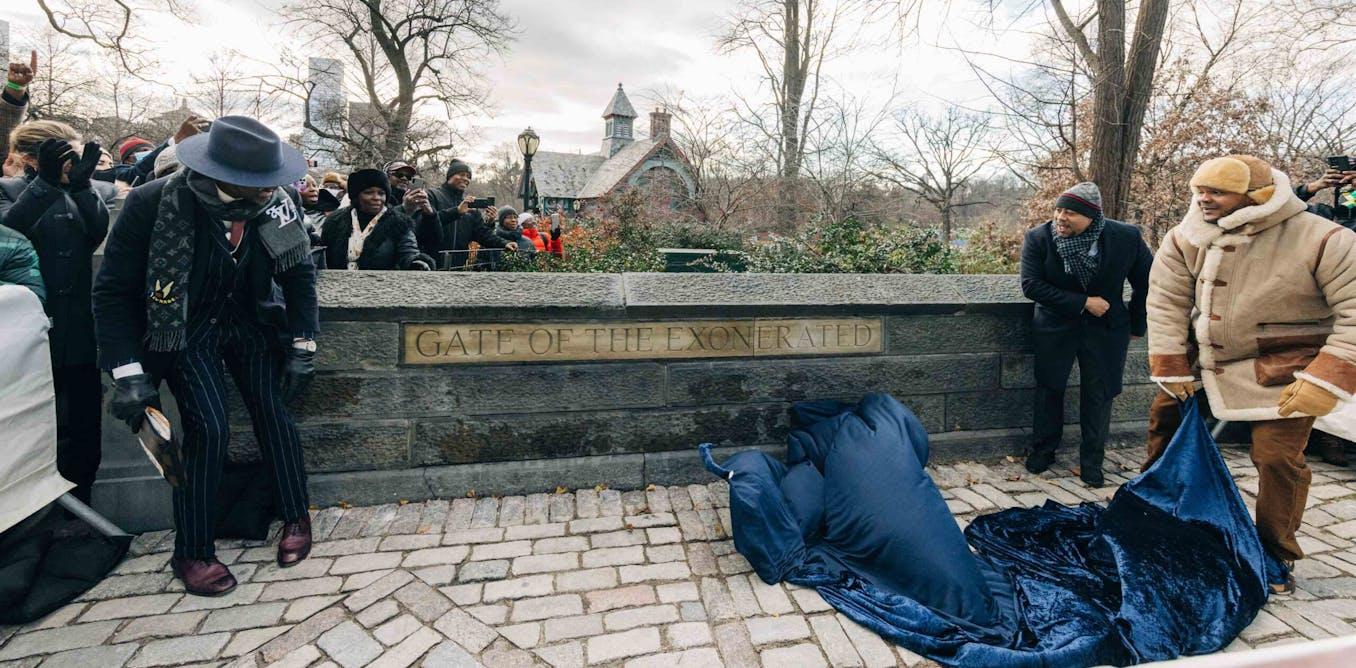
There are many racial elements associated with the case of five teenagers who have been wrongly accused of assaulting a young woman.How to overcome it?
This month marks three years, but also a lifetime, as the forgiveness New York society asked for five of its residents was etched in stone.It was December 2022, when the entrance to the park was installed in a corner of Central Park with a special plaque: Gate of the Exonerated.At first glance it may seem like just another entry, but its significance runs deep.
It represents a painful story and at the same time a lesson in justice, racism and above all hope.The book highlights Korey Wise, Yusef Salaam, Antron McCray, Raymond Santana Jr. and Kevin Richardson, five young people who were wrongfully convicted of a crime they did not commit.
In the early morning hours of April 19, 1989, young jogger Trisha Maley was violently, violently and sexually assaulted in Central Park.Meanwhile, incidents and fights broke out between several teenagers in the park."Central Park Five."
After they were arrested, they began a series of mistakes and abuses that would change their lives forever.The minors, who were 14-16 years old at the time of their arrest, were interrogated for hours without the presence of lawyers or their families.Under great pressure, they ended up signing false confessions and even recorded statements that did not match what happened.There was no physical evidence linking them to the rape, but they were still tried and convicted.
They spent between 6 and 13 years in prison.They and their families have to live with the abuse, violence and injustice of the prison system.
However, in 2002, Matias Reyes, a prisoner already serving a sentence for similar crimes, admitted responsibility for the attack.DNA tests confirmed the statement and the men were deported.
Racism, myth and reality
This dismissal not only closed the case, but also started a debate in the country: how could the police and the judicial system fail so badly?And with that question comes another equally important question: America presents itself as a "free country" where all people have opportunities, but why aren't all people treated equally?Who benefits from the famous "American dream" and who is left behind?
Historian Fajar A. Dennis says the idea is largely a myth, ignoring racism.
Data shows that African American men are the most incarcerated group in the country.Although they represent a small fraction of the population, they are arrested and prosecuted more than any other group.
What happened to these teenagers clearly shows how racism affects police decisions, the media, court cases and public opinion.
A large amount of media attention found many of these young men guilty before the trial had even begun and before any real evidence was available.Their faces appeared in headlines and some politicians even called for the death penalty.
Over the years, some measures have been taken to repair the damage and reform the justice system, but the consequences still exist.
The release of the door in 1922 is a symbolic but important gesture.
This door, located northwest of Central Park, invites you to consider how the justice system can fail, especially when racism and economic inequality persist.It also reminds us that recovery - even if it comes late - is possible, and society must learn from its mistakes.
Cinema as a complaint: Cando nos ven (2019)
This story flourished again in 2019 when director Ava DuVernay showed the miniseries When They See Us on Netflix.It was a great success and gave many people, especially young people, the opportunity to learn from the detainees' point of view about the testimony.The series shows in an emotionally compelling way how these teenagers were pressured and unjustly convicted.
In addition to recounting real events, as they follow us, it also shows how prison affected their lives, their family relationships, and the opportunities they missed even after achieving freedom.Viewers can understand that a wrongful conviction does not end when someone is released from prison, but its effects last for many years.
Ava DuVernay wanted to use entertainment to create reflection that inspires us to act as a community and challenges us to question what we believe.
When they see us, they invite us to think not only about what happened, but about the consequences of discrimination and the importance of the justice system.These series opened the need to think about racism, police responsibility, and other ways to replace the penal system in the United States.Therefore, audiovisual stories can be an important tool for criticizing social injustice.
In fact, DuVernay is also a member of the ARRAY 101 team, an online educational initiative that has developed educational resources on the topic.Thus, films or other audio-visual media, as the idea of the “twin of word and image” illustrates, can become a tool for education and social condemnation.
Lessons of hope
This story is not just something from the past;it can be repeated.It reminds us that justice does not always work properly and society has a responsibility to demand change.This case shows why it is important to listen to those who have been silenced.
Thus the gate of exemption is a symbol of hope;A more righteous future can be reached.Crossing means remembering, but race,genderMaIt also commits non-discrimination based on gender or social status.