


 Dec 19, 2025
 3 min read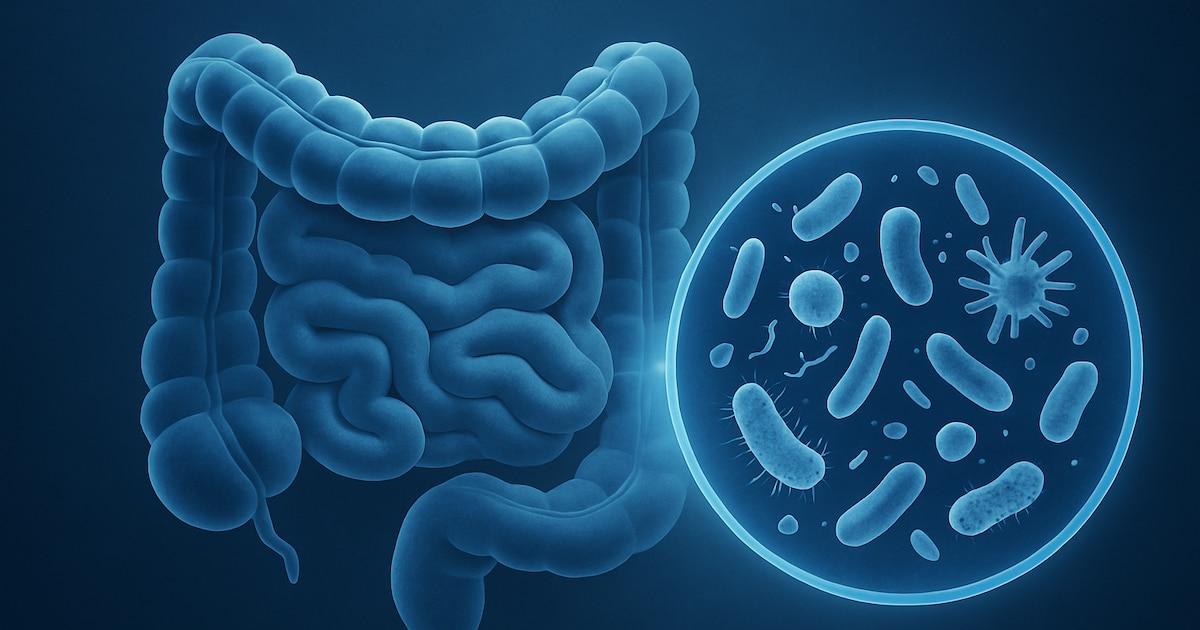
Healthy habits and other measures, such as moderate and controlled antibiotic use, are crucial to achieving this goal.
*This content was produced exclusively by Mayo Clinic experts for
Solutions to improve health often include measures such as getting more exercise, eating a healthier diet, and quitting smoking.
But what about the gut scarbiome?Taking steps to maintain and strengthen it can improve digestive health and more, says Poorna Kashyaap, a Mayo Clinic Gastroortist, a Mayo Clinic Gastrootentist and Expertive System Disorders.
Dr. Kashyap explains, "The microbiome is made up of bacteria, fungi, viruses, and the genetic material they carry with them. The skin, lungs, and reproductive system also have their own microbes."
Your gut microbiome is as unique as your fingerprint.Bacteria that live in the gut help break down fiber and starch;synthesizes vitamins and amino acids, such as vitamins B and K;and produce short-chain fatty acids (SCFA), which help prevent disease.They also maintain the integrity of the intestinal barrier, the protective lining of the intestines.
"For example, when you eat an apple, your stomach and small intestine digest part of it. What's left goes to the large intestine, where the bacteria do the rest for you," says Dr. Kashyap.
When beneficial bacteria are lost, this allows certain pathogenic bacteria to multiply.An example is Clostridioides difficile, or C. diff, a bacteria that can infect the colon, the longest part of the large intestine.Symptoms range from diarrhea to severe, potentially fatal damage to the colon.Risk factors for C. diff infection include antibiotic use, hospitalization, and certain anti-inflammatory medications.affects the immune system.
"After using antibiotics, the microbiome can temporarily change, but it often returns to its previous state," Dr.Kashyap says."The same thing happens in situations like travel or frequent consumption of fast food. Imagine your microbiome is like an elastic band. It can stretch a little and spring back into shape. But if it stretches too much, it can break."
In addition to infections like C. diff, microbial imbalances are thought to play a role in diseases such as colon cancer, diabetes, depression and other mood disorders, Alzheimer's, Parkinson's and cardiovascular diseases. More research is still needed to understand the relationship between the gut microbiome and these diseases, says Dr. Kashyap.
The ability of the microbiome to resist “stretching” depends on several factors.Among them is how long it takes to change. This is one of the reasons why it is important to avoid overuse of antibiotics, says Dr. Kashyap.
Certain underlying diseases, such as inflammatory bowel disease, can affect what types of bacteria can grow in your gut and what can't.This group includes inflammatory bowel diseases such as Crohn's disease and ulcerative colitis.
Dr.kashyap investigates how gut bacteria interact with dietary carbohydrates and how this affects the digestive system.The long -term goal is to develop new biomarkers and therapies that target the microbiota to treat functional gastrointestinal disorders, including inflammatory bowel syndrome and chronic gastritis, also known as functional inflammation.
Lifestyle also affects the well-being of the microbiome, adds Dr. Kashyap: “The bacteria in your gut eat what you eat. If you eat a lot of snacks, sweets, ultra-processed foods, or too much alcohol high in salt, sugar, and fat, your bacteria starve.
On the other hand, if your diet is rich in a wide variety of fruits, vegetables and fiber, you will cultivate a diverse microbial community in your gut.
"The more diverse a virus is, the greater its ability to adapt to change without loss," says Dr. Kashyap. "Happy bacteria make for a happy life," he adds.
Other lifestyle habits that help protect gut health
- Drink plenty of healthy fluids, such as water, and limit or avoid alcohol.
- Exercise for at least 30 minutes most days.
- He didn't burn.
- Studying technology for treatment.